Join the Adspotters adventure!
What is Adspotters?
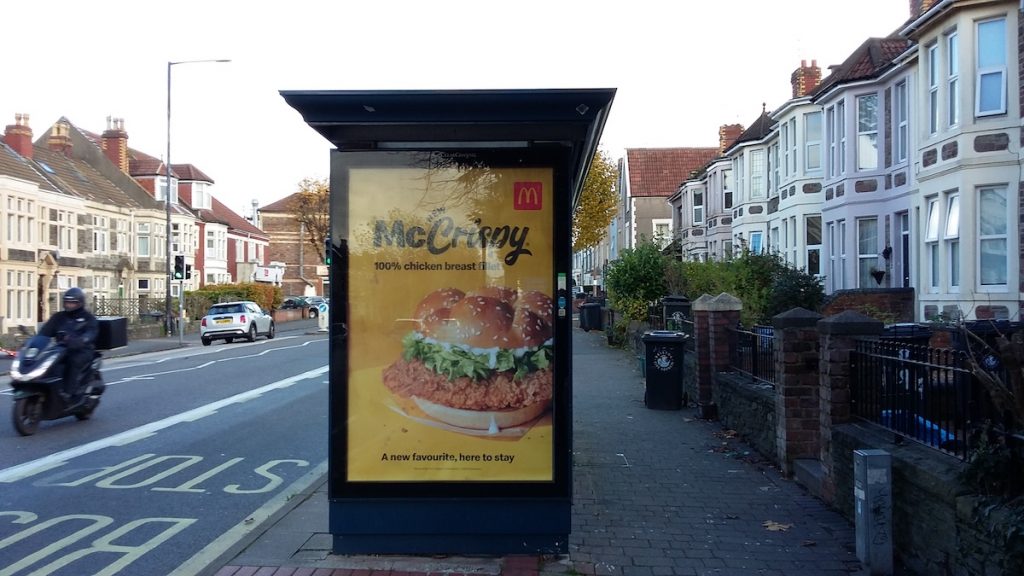
Adspotters is a fun citizen science project where families help to find and talk about the ads they see outside, like on billboards or bus stops. It’s run by Adfree Cities, and we want to know what kids and parents see on the way to school every day.
You can help by showing your kids how to spot these ads and think about what they’re really saying. It’s not just about whether the products are ‘good’ or ‘bad,’ but about understanding that companies create ads to make us want to buy their products.
Explore the ads in your neighbourhood together and chat about what messages kids are getting from them. Then, imagine what could be there instead—what would your kids like to see in their community?
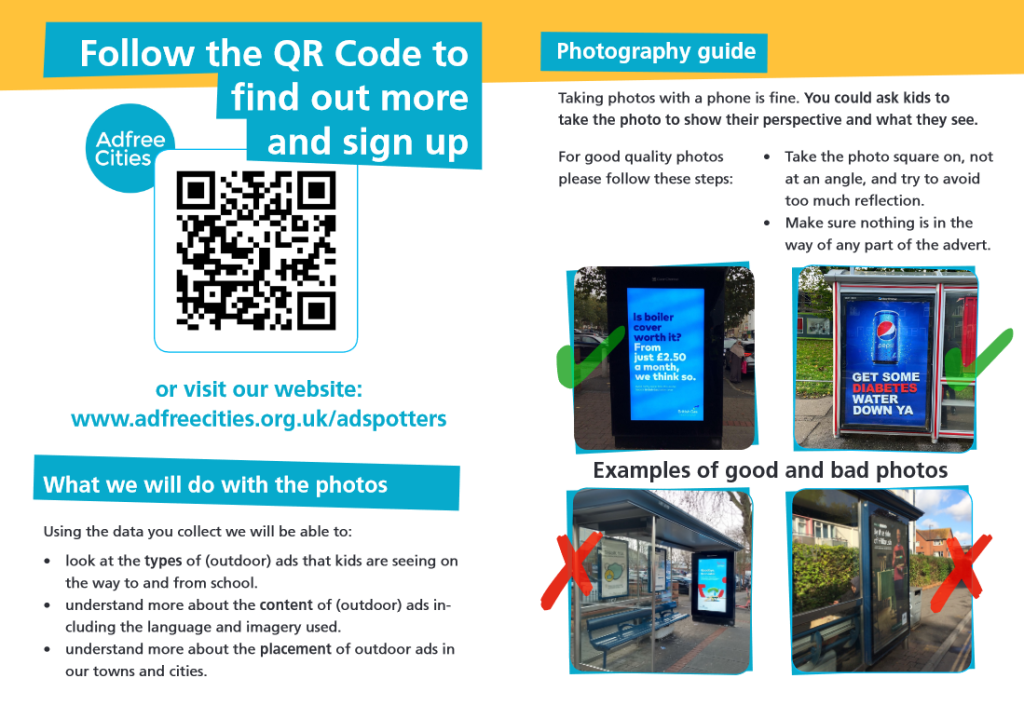
Download and print the guide to take on the walk, ride or bus journey to school and get Adspotting!

What is advertising?
Advertising is a way that companies tell us about things they want to sell, like toys, clothes, or games. They use bright colours, cool pictures, and catchy words to grab our attention and make us interested.
You might see ads on TV, on the internet, or outside on billboards. No matter where they are, the goal of an ad is always the same: to make you want to buy or use something.
But ads don’t always tell us everything we need to know. They might leave out important details because their main job is to sell something, not to help us make the best choice. Sometimes, ads can even make us feel like we need things that we don’t really need.
You can help your child understand that ads are different from other things they see. The purpose of an ad is to make a product look so good that you want to buy it. But it’s important to remember that just because something is advertised doesn’t mean it’s something we truly need or that it’s good for people or the planet. Kids can learn to think carefully about ads and know that it’s okay to ask questions or look for more information before deciding if they really want something.

What is the problem with advertising?
Adfree Cities have produced a detailed briefing ‘Consuming Childhood’ on the impact of advertising on children which can be read and downloaded here.
The key points to think about are:
- Kids are easily influenced: Companies use clever tricks to sell things to children because they know they are still learning and understanding the world.
- It can be harmful: When children see too many ads, it can make them feel bad about themselves and their bodies. It can also make them want things they don’t really need.
- Rights are affected: Ads can mess with children’s rights to think freely and make their own choices.
- Leads to problems: Seeing too many ads can lead to problems like eating too much junk food, feeling bad about how you look, family conflict, and being less generous to others.
- Teaches bad habits: Ads teach kids to always want more things, which isn’t good for their health or the planet.
- Hurts the environment: When people care too much about stuff, they use more resources and harm the Earth.
- Junk food ads: Most food ads show unhealthy snacks, which can lead children to develop bad eating habits that last a long time.
What do kids think?
When kids and teens learn how advertising works, they start to notice how it affects their lives in different ways. Many young people worry about how ads can influence their friendships, how they act, their health, and even the planet.
A group called Global Action Plan worked with young people to create the Stop Following Me campaign, which focused on online ads. The kids involved shared their concerns about how ads constantly push us to buy things, which can be harmful:
- Ads can hurt our mental and physical health by making us feel like we need to buy more stuff.
- They invade our privacy and contribute to problems like pollution and climate change.
- Many young people are worried about their future because of the damage that making all this stuff does to the environment.
“We are worried, angry, and scared about the devastating impacts that the overuse of resources is having on the planet. It is causing land, air, and water pollution and the extinction of wildlife. Yet we are bombarded with messages everyday telling us to buy more.”
They also talked about how ads can make kids feel like they need certain things to fit in or look a certain way, which can harm their mental health and how they see themselves.
That’s why it’s important to think critically about ads and question the messages they send. By doing this, we can help protect our minds, our friendships, and the planet.
How to talk to kids about advertising
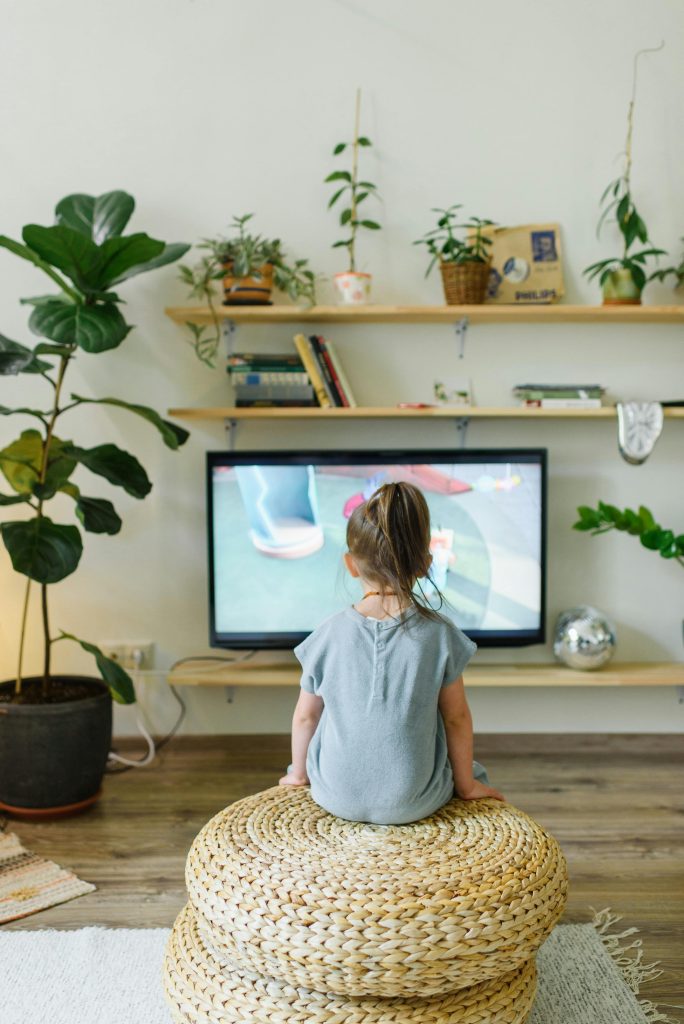
Today, kids see more ads than ever before, whether on TV, online, on the street or even in games. Because ads are everywhere, it’s important to help kids understand them early on. This will help them make smarter choices and not feel pressured to be ‘cool’ just because of what they see in ads.
Here’s how you can talk to your kids about advertising:
Start early and ask questions:
It’s never too early to start talking about ads. Follow your child’s lead—ask them what they think about the ads they see. This will get them thinking more critically about what’s being shown.
Teach them about ads:
- What ads want: Explain that the main goal of ads is to make us want to buy things, often things we don’t really need.
- Big business: Let them know that advertising is a huge business, focused on getting people to spend money.
- Celebrities and characters: Talk about how ads sometimes use famous people or cartoon characters to make a brand look cool, even if it’s not something we really need.
Discuss stereotypes and body image:
- Unrealistic images: Explain that many ads show unrealistic and unhealthy body shapes. Let them know that these images are often altered with special effects and don’t reflect real life.
- Stereotypes: Ads can sometimes promote unfair ideas about people based on their race or gender. Help your kids see that these ideas are not true and are just used to sell products.

Talk about the planet and being smart with money:
- Consumerism: Discuss how buying too much stuff can hurt the planet. Explain that the world’s resources are not shared equally, and overconsumption can cause problems.
- Money matters: Teach your kids the value of money and how to be smart about spending and saving. Encourage them to think before buying something—do they really need it?
Be a responsible consumer:
- Cutting down: Encourage your kids to think about ways to reduce buying things they don’t really need, especially items with lots of packaging.
- Speaking out: If they see an ad that’s offensive or misleading, let them know they can report it to the Advertising Standards Authority.
By having these conversations, you’re helping your kids become wise and responsible consumers.
Questions to ask when you see an ad
When you see an ad with your child, it’s a great chance to talk about what the ad is trying to do. Instead of telling them what to think, ask them questions to help them figure it out on their own. Here are some questions you can ask:
General questions about ads:
- Who made this ad? Do you know who created this ad? Who do you think wants us to see it?
- How does it make you feel? How does this ad make you feel? What do you like or dislike about it?
- What stands out? What catches your attention in this ad? Is it the words, pictures, or sounds?
- What is the ad selling? What product is this ad for? What is it trying to get us to buy?
- What does the ad tell us? What information does this ad give about the product? Is there anything important it doesn’t tell us?
- Should we buy it? What questions should we ask before buying this product? Is it something we really need?
Questions about food ads:
- Is it healthy? Is the food in this ad part of a healthy diet? Does it look nutritious?
- Meal or snack? Is this food shown as part of a balanced meal, or is it just a snack? Does it make sense to eat it in place of a meal?
- Healthy living? Does this ad encourage us to be healthy, or is it just trying to make the food look fun?
- What about prizes? If the ad offers a special gift or prize, does it make it clear that the food is the main thing to buy, not just the prize?
Questions about being ‘cool’:
- Feeling left out? Do you ever feel bad for not owning something that ads show? Has an ad made you think people might like you more if you had a certain product?
- Liking yourself: Have you ever thought you would like yourself more, or others would like you more, if you owned something from an ad?
- Worrying about looks: Do you ever worry about how you look? Has an ad made you feel that people would like you more if your face, body, skin, or hair looked different?
- Changing yourself: Has an ad ever made you think that changing your appearance with a product would make you feel better or make others like you more?
These questions can help your child think more deeply about ads and understand that they are designed to sell things, not always to tell the whole truth.

Take action and spread the word
We need to let our local councils and the government know that unhealthy ads shouldn’t be on our streets. Here’s how you can help:
- Talk about it: Start a conversation with your friends and family about why unhealthy advertising is a problem. The more people know, the bigger impact we can make.
- Write a letter: You can write a letter to your local councillor or MP (a government leader) to tell them you don’t want unhealthy ads in your area. For example you could write to them to ban ads for fossil fuel companies and products.
- Get your school involved: Talk to your teacher or headteacher about sharing this message with everyone at school. You could mention it in a school assembly, newsletter, or even ask other parents and carers to help with the campaign. Here is a poster to print and display in your school.
- Celebrate Buy Nothing Day at school: It’s a great way to talk about why we sometimes buy things we don’t need and how we can make smarter choices that are good for the environment.
- Speak up: If you see an ad that is offensive or inappropriate, speak out! Others might feel the same way. You can report it to the Advertising Standards Authority (ASA).
- Stay informed: If you’re part of an organisation, you can sign up for the Adfree Cities newsletter to keep up with the latest news on this issue.
Every small action helps bring about big change!

Other useful resources and campaigns
Here are some other campaigns working to reclaim our public spaces for children and make them safer and more welcoming for everyone, and also to address unhealthy advertising to children.
Living Streets, Walk to School
Global Action Plan, Stop Surveillance Advertising to Kids
