
This blog originally appeared as a newsletter. If you’d like to receive updates from Adfree Cities as they happen, including monthly newsletters and special updates, you can sign up here.
It’s been a long time since I said these words, but it appears that the government has done something genuinely positive and forward thinking about outdoor advertising…!
The government’s new Pride in Place Strategy is all about renewing our public spaces and building a sense of identity and belonging in our communities. We’re very pleased to see the strategy specifically mention outdoor advertising as something that is potentially detrimental to that, and that “seating, signage and public art” might be preferable. Hear hear!
Below we take a brief look at what the Strategy actually says, and how reducing outdoor advertising can help us achieve it. We also have other updates from around the network and opportunities to get involved over the next month.
Pride in place?
It’s fair to say that few people actually like outdoor advertising – at best seeing it as a necessary evil. But this isn’t reflected in any planning rules. In fact, planning rules for outdoor ads are entirely outdated, having been unchanged since before iPhones existed.
The Pride in Place Strategy is a welcome breath of fresh air and a fantastic opportunity to change the system. So we’re taking a little dive into what it all means and how targeting outdoor ads can be a part of its aims to build stronger communities, create thriving places, and empower people to take back control.
How we can create stronger communities, thriving places
Outdoor ads, especially digital billboards and ad screens like BT Street Hubs, have become common sights in our town centres, painting the same bland corporate face on all our high streets. We also know that 4 in 5 such ads are placed in lower income areas where they compound existing inequalities and promote unhealthy products.
Rarely do we see outdoor ads for local businesses. Instead they promote distant corporations that are all too often sucking money away from our high streets. As we approach Black Friday, we will once again be deluged with ads for cheap tech, fast fashion and more – all of which serves to enrich the few at our expense.
This happens largely because the planning system is stacked in favour of companies wanting to install more outdoor ads. There are lots of success stories of people blocking new ad screens locally, but far more examples of the opposite happening. We want to see councils given greater powers to block new ad screens on environmental and public health grounds.
It’s encouraging to see the government finally take notice of the issue of outdoor advertising, but we won’t rest just yet. Along with the Adblock network we’ll carry on resisting corporate advertising in our towns and cities, just as we always have.
Want to find out more? Check out some of our success stories and resources:
- Read our research on why taking down billboards is good for the local economy here
- How Bristol blocked 50 new billboards, and you can too
- Read how Adblock Hackney removed 9 digital ad screens
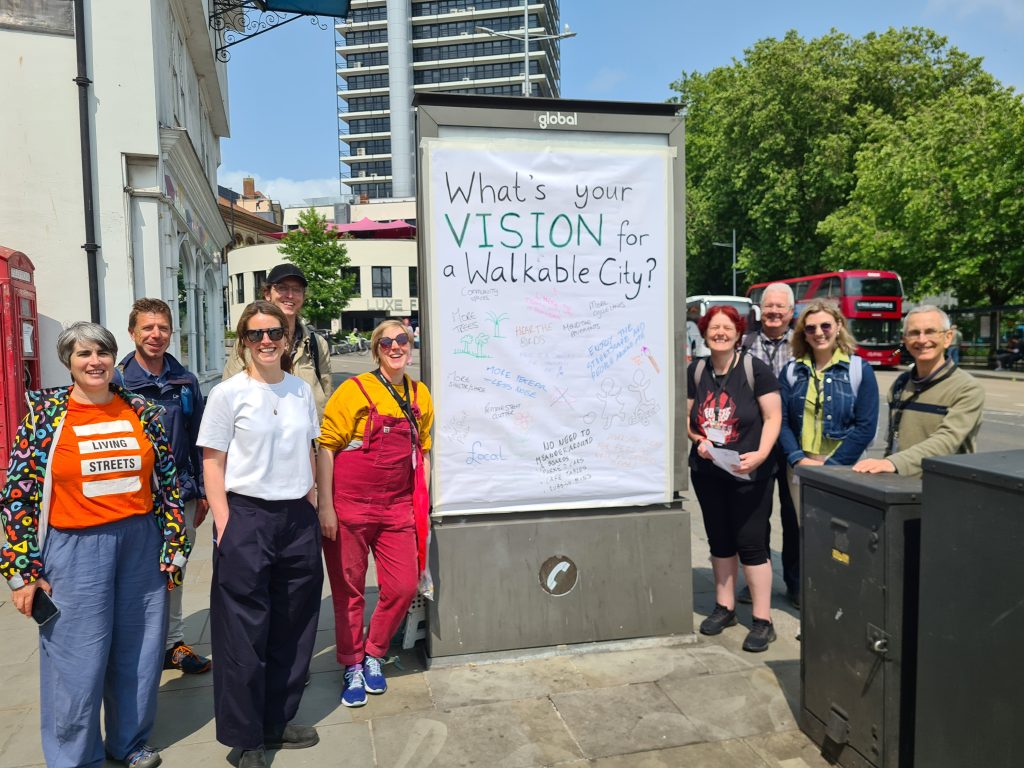
We urge Cardiff council to go further with new ad policy
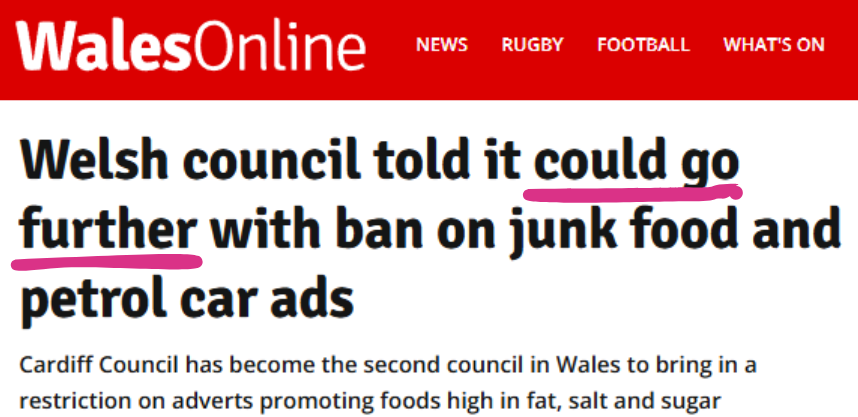
Last month we were pleased to share with you the great news that Cardiff Council had restricted ads for junk food and fossil fuel cars as part of their updated advertising and sponsorship policy.
We said that, although the policy is a step forwards, it could have been much more ambitious.
Since then our call has been picked up by Wales Online.
Adfree Cities’ Robbie Gillett was quoted saying: “A notable omission from the policy however is that it still allows fossil fuel company advertising – which is often used by corporations… to greenwash their image, delay meaningful climate action, and shore up their social licence to operate.
“Just as we did for tobacco we call on the council to prohibit advertising by major polluters in future updates of the policy.”

Published by