
Towns and cities across the UK, including Edinburgh, Sheffield, Coventry and Hackney are banning advertising that harms our health and worsens climate change. Could your local area be next?
In England, a suit of local elections will take place on 7 May 2026, with candidates vying for 5,036 council seats and six elected mayors. Local elections are always an exciting opportunity for fresh thinking, but perhaps particularly this year with an influx of new Green, Liberal Democrat and Reform Party councillors looking likely in many areas, local candidates and parties will be looking for manifesto pledges that appeal to their local communities.
We recommend including Healthier and Ethical Advertising and Sponsorship Policies as a low-cost, common sense policy pledge to help improve health, cut NHS and social care costs, support local businesses, clean up local air and reduce climate-harming emissions that are worsening local issues such as flooding and extreme heat.
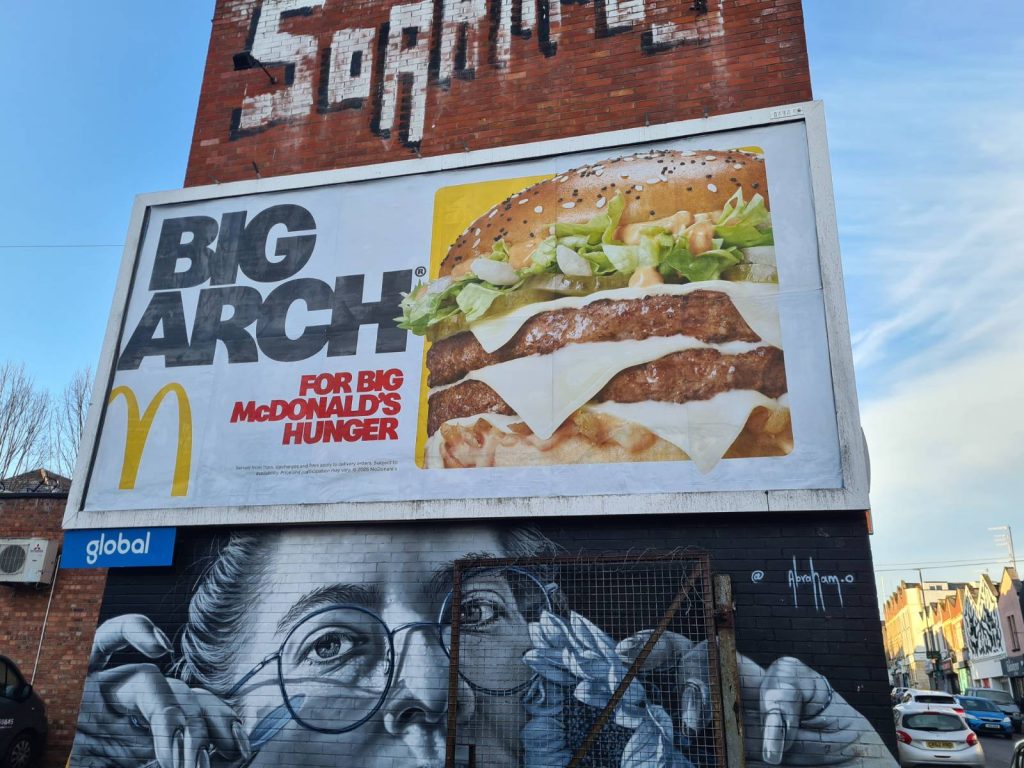
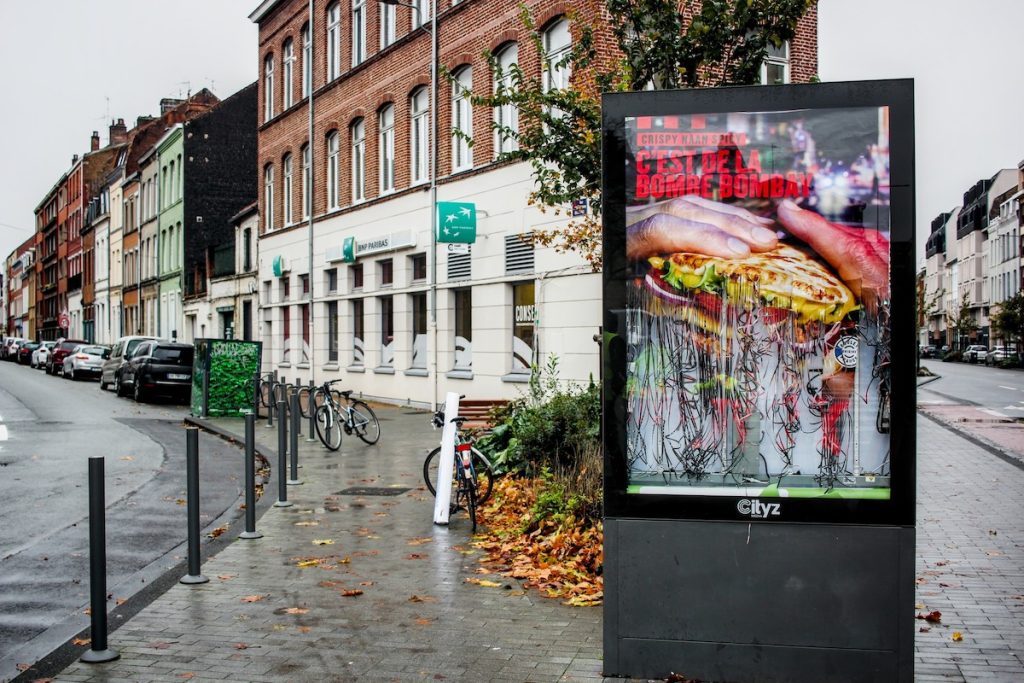
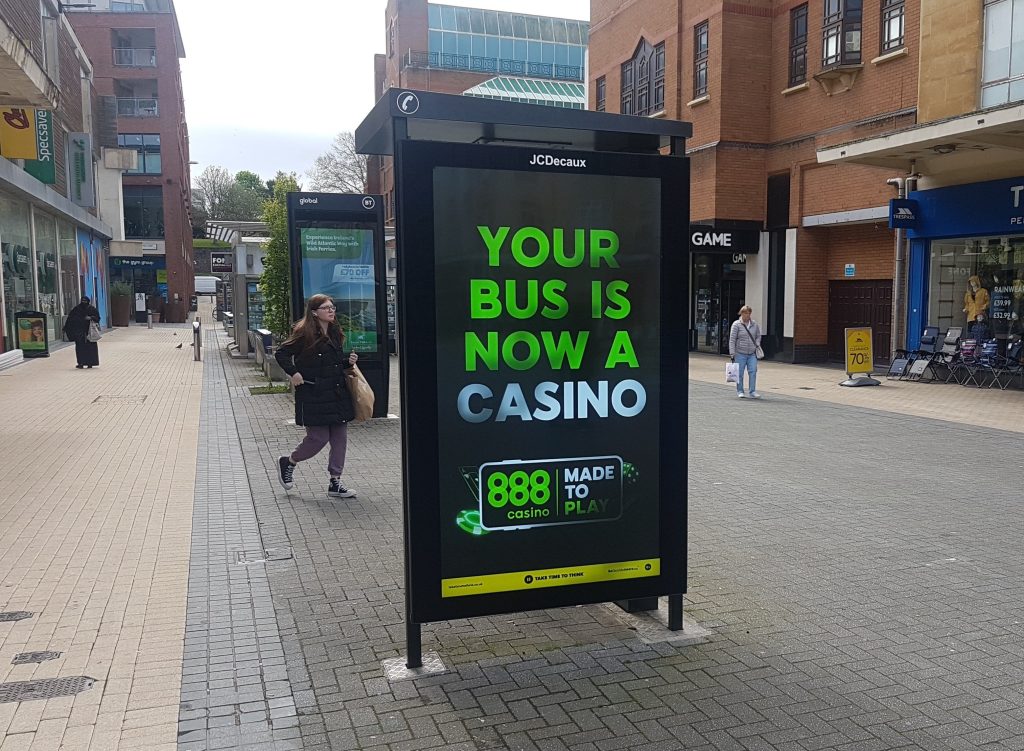
Several councils have already restricted some forms of advertising deemed to be particularly harmful, such as those for vaping, gambling, high interest loans, alcohol and high-carbon products. Many have banned ads for unhealthy food on ad sites they own, including in Knowsley, York, Bristol, Brighton, Newham and more, supported by campaign group Sustain and the youth-led movement BiteBack.
Just as advertising promotes the sale of items and services, so restrictions on ads can help to make room for healthier choices and reduce demand. A ban on junk food advertising across the TfL network led to real-world decreases in purchasing. The ban is predicted to lead to £128 million in savings for the NHS and social services and will help tackle health inequalities.
| Case study: Sheffield Sheffield City Council introduced a Healthier and Ethical Advertising and Sponsorship Policy in 2024. Council-owned billboards around the city no longer promote fossil fuel companies, airlines, airports and fossil fuel-powered vehicles, underscoring the city’s commitment to sustainability and its efforts to improve air pollution. The policy also restricts advertising and sponsorships promoting health-harming products, including gambling, alcohol and unhealthy food, helping to reduce and prevent common health issues, with potentially significant co-benefits for the council and local health services. With exemptions for small local businesses, the policy ensures the city’s local economy can thrive while protecting community health and wellbeing. |
Next Steps
If you’re a resident, you can ask your local political party or candidates to pledge to introduce Healthier and Ethical Advertising and Sponsorship Policies if they are (re-)elected.
If you’re a current councillor up for re-election, or a new candidate, contact us for more information and support on how to include Healthier Advertising Policies in your election campaigning. We can also support you to work with your council officers and public health teams to restrict harmful advertising in your local area once elected. Have a look at our Resources for Councils, and drop us a line if you’d like to discuss anything further.
Resources and further case studies
- Healthier and Ethical Advertising Policies: Resources for Councils
- Low Carbon Advertising Policies Toolkit for Local Policymakers
- Reading Restricts Junk Food Advertising as Child Obesity Hits 33%
- This Scottish City Just Banned SUV And Airline Ads. Here’s Why
An elections bumper year
The 2026 England local elections are scheduled to take place on Thursday 7 May 2026 for 5,036 council seats across 136 English local authorities. This includes all London Borough councillor seats. Find out which elections will take place in your area.
The 2026 Senedd election is due to be held on 7 May 2026 to elect 96 members to the Welsh Parliament (the Senedd).
The 2026 Scottish Parliament election is planned to be held on Thursday 7 May 2026, and will elect 129 members to the Scottish Parliament.

Published by