
What’s wrong with SUVs? Well, according to 66% of British drivers, nothing!
A YouGov poll commissioned by Adfree Cities found that a rather shocking proportion of drivers don’t agree with the statement that “SUVs and pickups are more dangerous to pedestrians and cyclists”. To be clear, they definitely are. Research has shown that pedestrians and cyclists are 44% more likely to be killed if struck by an SUV, rising to 82% for children.
What’s even worse is that telling SUV owners (and potential buyers) the dangers of SUVs and pickups won’t deter them from buying one, with less than 4% of such people saying they’d change their mind about which car to buy next.
Safety first?
One immediate implication from this is that simply telling people that SUVs are more dangerous won’t stop them from buying one. Instead, more direct policies like weight-based taxes and charges will be necessary to shift the market away from larger cars and towards smaller, safer cars.
But there’s a deeper question here about narratives. We also asked respondents to the poll how often then receive information about vehicle safety. Just 27% of respondents said they receive vehicle safety info at least once per month, and one in five said they never receive this info at all.
That’s 20% of drivers who never receive information about vehicle safety, at exactly the time when cars, on average, are getting more dangerous due to the carspreading effect.
For those respondents who do receive safety info, the most common source (34% of respondents) was advertising and marketing, rising to 43% of respondents in the 18-24 age group.
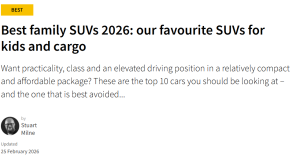
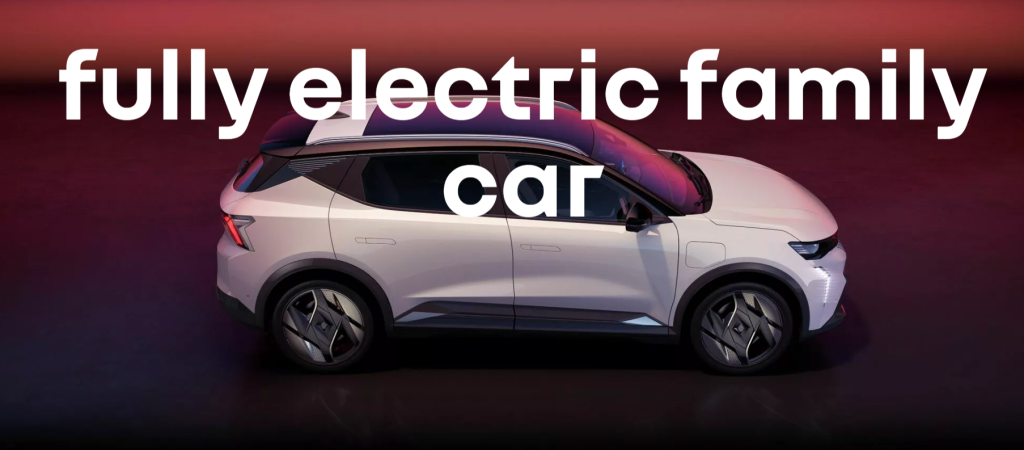
So what messages are people receiving from advertising and marketing? SUVs are commonly marketed as ‘family’ cars, as luxury cars, or their comfort and practicality are centered. In all cases, safety – for the occupants – is implied. The safety, or lack thereof, of people outside the car, is ignored completely.
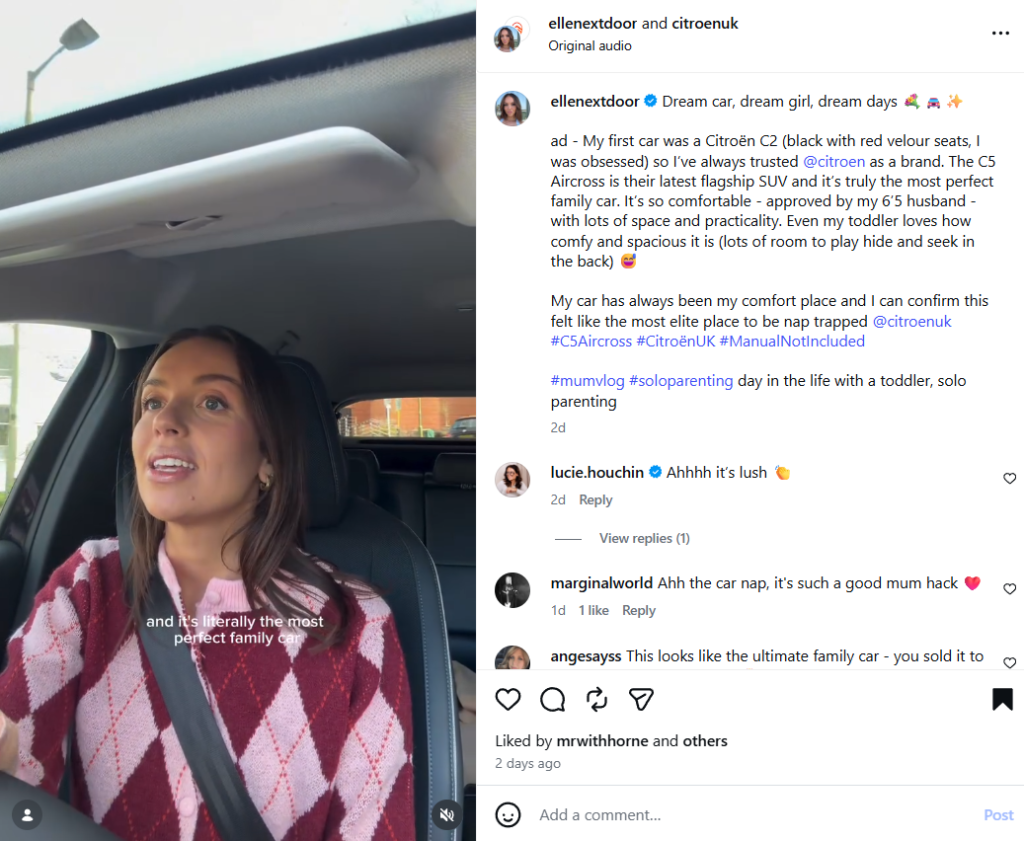
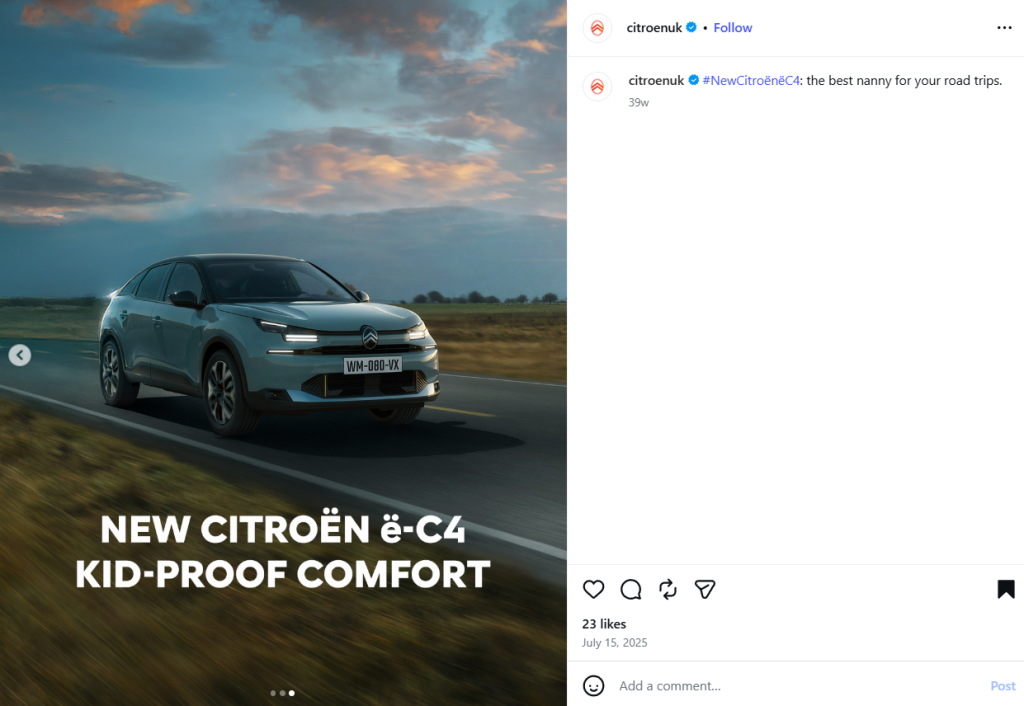
Now this has always been true of car advertising, but what’s new today is the growing number of massive SUVs and pickups on the roads. The gap between public perceptions of road danger and the reality of that danger is large and widening, and this should worry us all.
What can we do?
So when it comes to the question of what to do, we absolutely need hard policies like higher taxes and other charges to ensure SUV owners pay the cost of the damage they cause, but we also need to address the narrative gap.
LTNs and 15-minute neighbourhoods show clearly how well-meaning and well-evidenced policies can flop when the public aren’t brought along from the start. Let’s not repeat that mistake with carspreading. Challenging the story of SUVs as safe, family cars is essential to building the support needed for reversing the trend towards ever-bigger, ever-heavier cars and SUVs.
This creates easy actions for national and local government, and regulators. These include:
🛑 local authority restrictions on SUV advertising, going hand-in-hand with…
ℹ️ public information campaigns on carspreading as a hazard
🤔 a THINK! campaign on the danger (especially to children) of bigger cars
🚗 working with EuroNCAP to revise how cars are safety tested, to make pedestrian safety a higher priority for carmakers
🤓 regulator action to change the way cars in general are advertised.
Feature image: Climate Visuals / Crispin Hughes / Clean Cities.

Published by